Self-storage for beginners: How to choose the right location

What is self storage and how can it be useful?
Self storage is additional space you can rent for an agreed period of time. You take your belongings to the site and put them into your own lockable storage unit. Although self-storage units are becomming more common in Germany, more than half of Germans have never heard of self-storage.
Your chosen storage facility should offer enough space, a convenient location, suitable access and clear contract terms. With so many factors, picking the right centre can be overwhelming if you're using self storage for the first time. This guide tackles them in order and ends with a checklist you can take to a viewing. For what affects the price of a unit, see how self storage costs work.
Choose the right self storage for you
Work out what you need and when
Start with what you are storing and for how long. A house move, a renovation, a student term and a business stock room each need something different. Think about how often you will visit, because that decides how much the location and access hours matter. Use the unit size guide to find a size, and ask the store team if you are unsure.
Find a storage centre near you
Distance decides how often you will really use the unit. Ask three things: can I get there easily when I need something, can I load and unload without a struggle, and does the site feel safe to visit? Look close to home, work or your route, and check public transport, parking and loading. Prices differ by region, so get a quote for the store you would use. Each store page shows their respective opening times.
Find out how the store protects your belongings
Visit if you can, and ask:
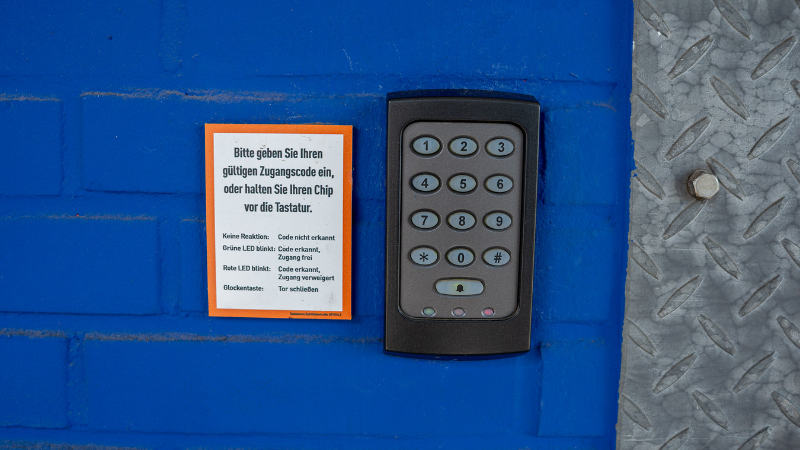
- Is there recorded CCTV, intruder alarms and controlled entry?
- Who is on site, and when? Some stores are run from a nearby staffed store, so ask how the store you will use is managed.
- Does the provider meet the European industry standard for self storage?
- Are the unit and the corridors clean, dry, well lit and ventilated?
- Can you drive up to the unit, and how far is it from the entrance?
Check how much access to your storage unit
Look at opening hours, including weekends and public holidays, and whether extended or out of hours access are offered. If you'd like another person to have access to the unit, be sure to bring this up during your visit. In order to uphold safety and security measures, they usually need written approval in place alongside your contract to confirm they have permission to visit.
Read the contract before you sign
- Notice to leave. How much notice do you need to give before moving out? Missing the date can mean paying for another billing period.
- Upfront fees. Is there a deposit, reservation fee or booking fee?
- Fee changes. Can the provider change your fee during your stay, and how much notice do you get? Can you leave without charge if you do not accept it?
- Changing unit size. Can you move to a smaller or larger unit later if your situation changes?
Make sure you have contents cover for your belongings
Check if contents cover is required and whether you can use your own policy. This is standard across reputable storage providers in order to protect your goods. At Safestore, you can either provide evidence of your own equivalent insurance cover or opt for StoreProtect.
Read reviews of the specific location you plan to use
A brand rating may not always reflect differences between sites. Read recent reviews for the store you will use and look at how problems were resolved.
8. If you are a business or sole trader looking for storage
Business and online sellers should also check:
-
Access: opening and extended access hours at the store, and if the times suit pick up and restocking periods.
-
Deliveries: whether the store accepts deliveries on your behalf.
-
Several locations: whether stores in different areas can sit under one process.
-
Flexibility: whether you can scale up or down as stock changes, with no long commitment.
-
Unit conditions: whether units are clean, and are built with temperature control measures.
See business storage and self storage as an alternative to a warehouse lease.