

7 tips to make space during a home renovation

A bit of planning before renovation work starts can make life much easier once contractors arrive. Clearing the rooms they’ll be working in gives them the space they need and helps keep furniture and belongings away from dust, tools and building materials.
This is particularly relevant when work changes the layout or use of an existing property. In August 2026, 20,600 homes were approved in Germany, 6.8% more than in August 2025. Of these, 4,200 were homes created through conversions of existing buildings, an increase of 18.2% year on year.
If you're preparing for work at home, read this guide beforehand to make the next few weeks or months much easier.
1. Plan around the work, room by room
Ask your contractor which rooms they need first and whether they will also need clear access through hallways, staircases or adjoining spaces. A kitchen renovation, for example, may involve people carrying materials and equipment through parts of the house where no building work is actually taking place.
Once you know the likely sequence, work backwards from the start date. A few weeks before work begins is a good time to decide what can stay at home and what needs to move. Pack things you can live without first, then tackle furniture and larger items closer to the contractor's arrival.
Try not to leave everything until the day before. Clearing several rooms at once is hard work, and doing it gradually gives you time to pack and label things properly rather than simply moving them into whichever corner is free. Renovation schedules can change, of course, so leaving yourself a little flexibility is useful if a room takes longer than expected.
2. Decide how much space you need to clear
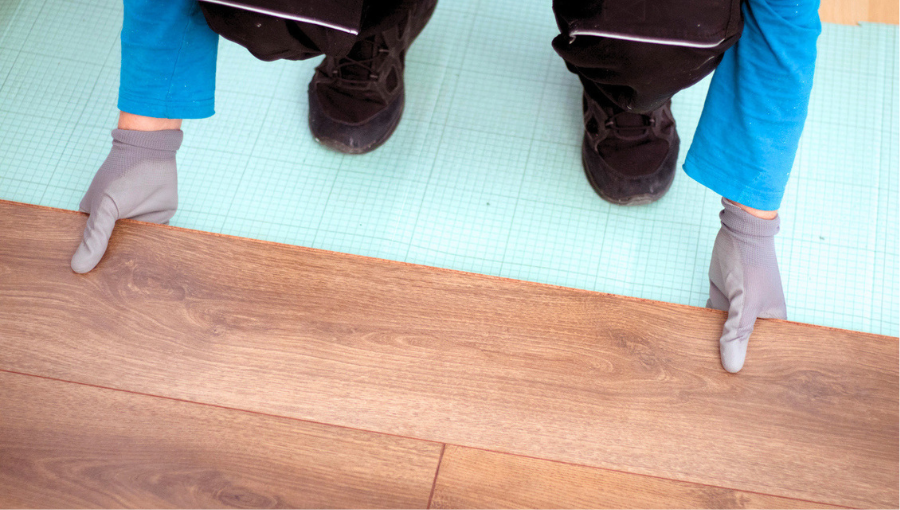
For smaller, contained work, it may be perfectly practical to move furniture away from the area and protect it properly. Larger projects where floors, ceilings or several walls are being worked on, clearing the whole room gives contractors more space and keeps furniture away from harm. It's worth checking with your contractor before deciding what to do. Something that looks well away from the work may still block access to flooring, pipework or electrical points.
There is a trade-off between full and partial clearance. Leaving furniture in place means less to move at the beginning, but anything that remains needs protecting and may still have to be moved later. An empty room takes more preparation, but gives contractors much more freedom to get on with the job.
3. Take a few photographs before you start packing
Before the first cupboard is emptied, photograph each room. Wide shots will help you remember where larger pieces of furniture belonged, while closer photographs are useful for shelves, cupboards and smaller items.
A simple list on your phone can keep track of what has been packed and which room it needs to return to. There is no need to create an elaborate inventory unless you have a lot to store. The aim is simply to avoid opening five boxes to find the one thing you need.

4. Keep everyday essentials within reach
Clearing for a renovation shouldn't leave you unable to use the rest of your home. Before moving furniture or filling a spare room with boxes, work out which routes and storage areas you'll still need while the work is under way.
Keep the walkway to a wardrobe or chest of drawers clear if you'll still be using them, and avoid stacking boxes where they'll restrict access to an unaffected bathroom, utility room or entrance. The same applies to cupboards or rooms containing your boiler, fuse box, water stopcock or other services that may need to be reached during the work. Contractors may also need a clear route between the entrance and the work area for tools, materials and waste.
For kitchen or bathroom work, plan around anything that will temporarily be unavailable. If you're setting up a makeshift kitchen elsewhere, for example, keep the equipment you need for that with you. It's also worth checking with your contractor when water, electricity, heating or other services are likely to be switched off, so that you're not caught out.
5. Protect your belongings from dust and moisture
Dust spreads further than you'd expect during renovation work, even when the mess seems contained to one room. It gets into drawers and settles in fabrics, so furniture close to the work is often better moved elsewhere for a while than protected for weeks.
If something has to stay, cover it properly, particularly when there's plastering or sanding involved. Smaller belongings are safer in closed boxes than left in open cupboards.

Fresh plaster can also leave a room damp for some time, so check that furniture and fabrics are completely dry before you pack them away. When the work is finished, give the room time to dry before bringing everything back in.
Delicate belongings deserve a little more thought. Antiques, fine art, musical instruments, valuable collections and items affected by changes in temperature or humidity can have specific packing and storage requirements. Check the manufacturer's guidance where it exists, and seek advice for protecting valuable or particularly sensitive items whilst in storage.
6. Store things in the order you'll need them
When you're loading your storage room, work backwards from your renovation schedule. If the bedrooms will be finished first, keep their furniture and boxes somewhere you can reach without having to move everything else out of the way.
It's worth doing the same when dismantling furniture. Keep the screws with the piece they came from, either in a labelled bag or within the same box so they won't get separated. When it's time to put the room back together, you'll know exactly where to find them. Try to leave yourself a route through your stored belongings too.
7. Bring your home back together gradually
When a room appears finished, resist the temptation to move everything straight back in. Check with your contractor that the work is complete and that paint, plaster, flooring or sealants have had the time they need. Give the room a thorough clean and make sure there are no signs of remaining building moisture.
Bring larger furniture back first and get the basic layout right. Everyday belongings can follow, while less frequently used items can wait until you're happy with the room. Working this way has another advantage if the renovation is continuing elsewhere. Finished rooms can now be used and contractors won't need to work around furniture you've just brought back into the house.
Make storage part of your renovation plan
Storage is much easier to organise before rooms start filling with tools and boxes. If you're using storage during a renovation, it will allow extra room for both the workers and yourself if you're living on-site during the process. You'll still be able to reach individual items if plans change or you need something earlier than expected.
If you're not sure how much space you'll need, we can help you choose a storage unit size based on what you're putting away and how you'll need to use the space during the renovation. As each room is finished, you can take home what belongs there and leave the rest safely out of the way.

